Gas Cooktop Installation in Newport
Gas cooktops, ovens and heaters belong on the tools of a licensed gasfitter, and Queensland law agrees. Gas cooktop installation in Newport covers built-in ovens, freestanding cookers and heaters, on either a metered natural gas supply or an LPG setup. Every job is done by a licensed plumber, and our gasfitters hold the gas work licence this trade demands.
If we're late, $100 comes off your bill

- Licensed and InsuredEvery job done by a licensed plumber. QBCC No: 15024607
- Fixed Quote FirstFlat-rate pricing, agreed before any work starts
- Lifetime Labour WarrantyBacked by our Fix-It-or-It's-Free guarantee (T&Cs apply)
- $0 Call-Out FeesNo extra charge for nights, weekends or public holidays
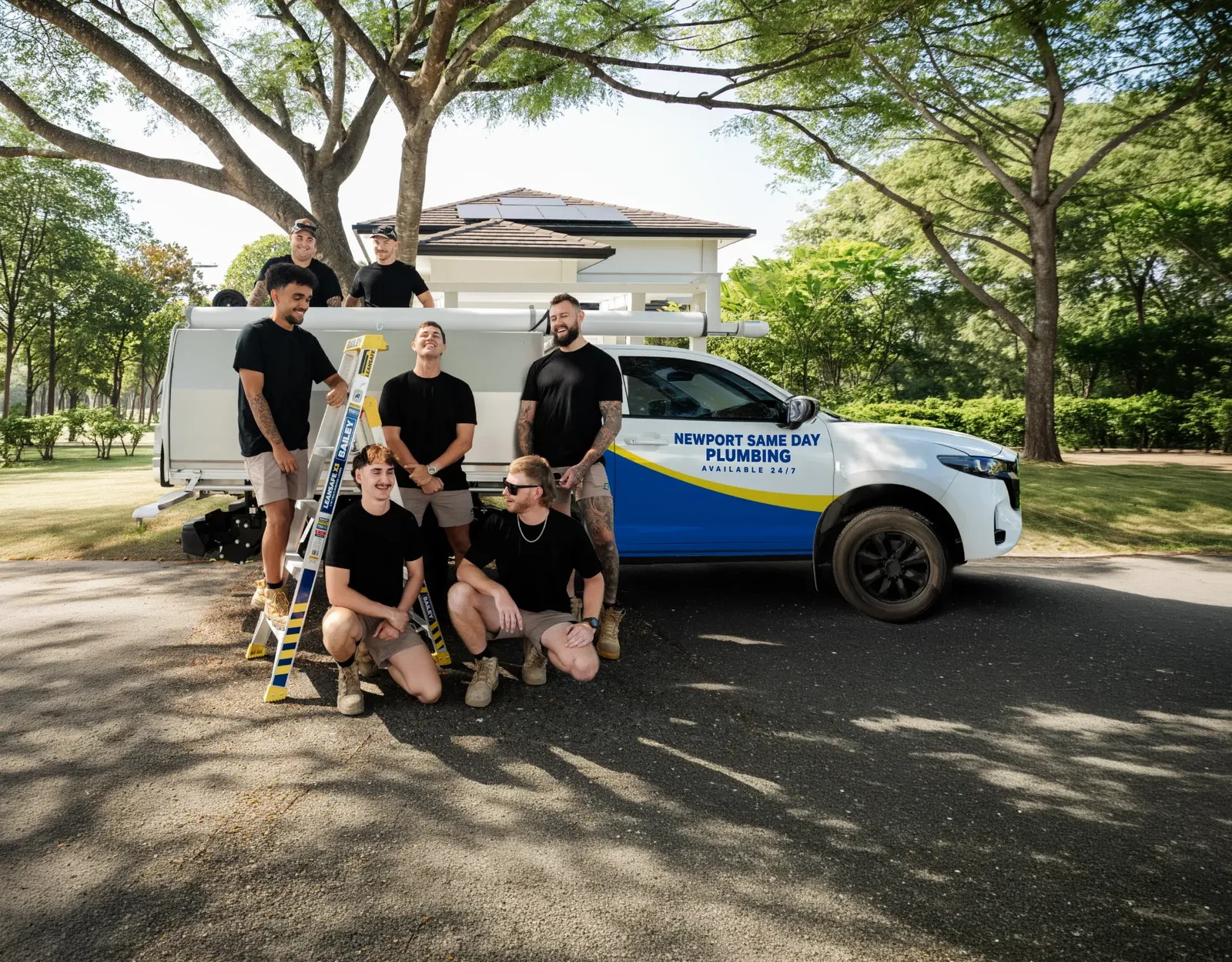
This job sits inside the wider gas fitting services we run across the peninsula. We work the boat-front streets near the Newport lock and the volume-built blocks of the western stage alike.
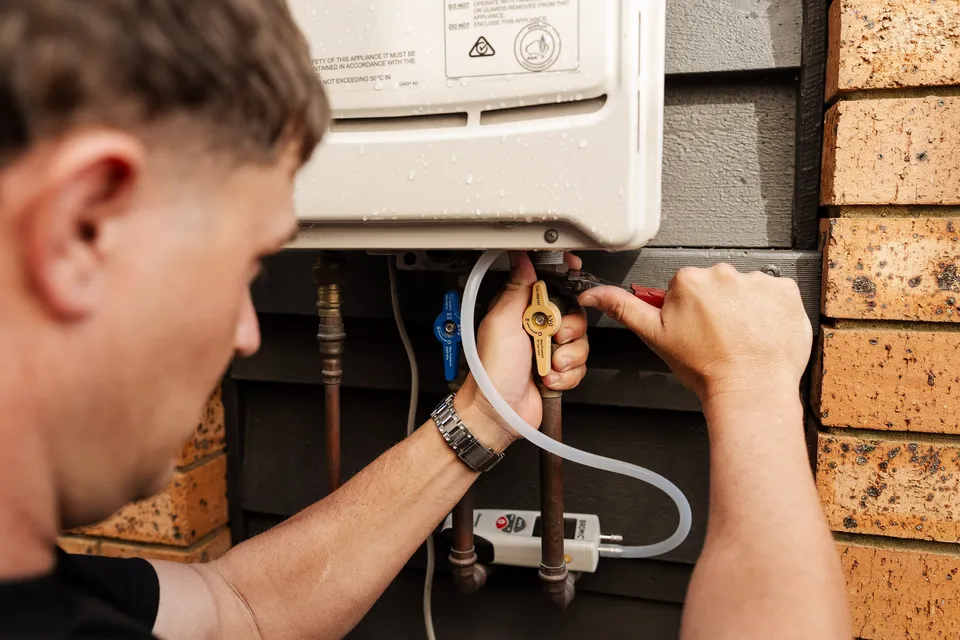
Why Gas Appliance Work Needs a Gasfitter
No, the law does not let a home owner install a gas cooktop, oven or heater. Queensland gives this work to people who hold a current gas work licence, and the licence covers the full spread of the job:
- installing a gas appliance and removing an old one
- altering pipework or running a line to a different spot
- repairing, servicing and testing any part of the system
- certifying the finished work
The rule is not red tape. Fuel gas in a closed room is dangerous in a way a water pipe never is, and a connection that looks fine can still leak. Ask to see the licence itself before anyone touches your kitchen.

Costs Beyond the Appliance Itself
The connection price turns on four things: the gas point, the appliance, what the checks find, and whether the fuel suits. You get a fixed quote before any work starts, so nothing arrives as a surprise on the day.
Swapping onto an existing point takes the least pipework. A new line out of the meter, or a cylinder setup for LPG, adds labour and materials.
A cooktop, an under-bench oven and a freestanding cooker all connect differently too. More burners or a built-in oven make the job bigger, and the quote reflects that.
How a Cooktop, Oven or Heater Gets Connected
The job runs connect, test, certify: the gasfitter joins the appliance to the supply following the manufacturer's instructions, leak-tests every new joint, then hands over the compliance certificate. In full:
Appliances also need a periodic service from a licensed gasfitter, not just an install and forget. If you ever smell gas in the kitchen, stop and read our gas leak repairs guide first.
- 1

The point
The gasfitter makes the connection at the gas point, working from the installation sheet for that model.
- 2

The clearances
The installation sheet sets the distances to the rangehood, the cupboards and any surface that could burn, and the gasfitter follows those figures.
- 3
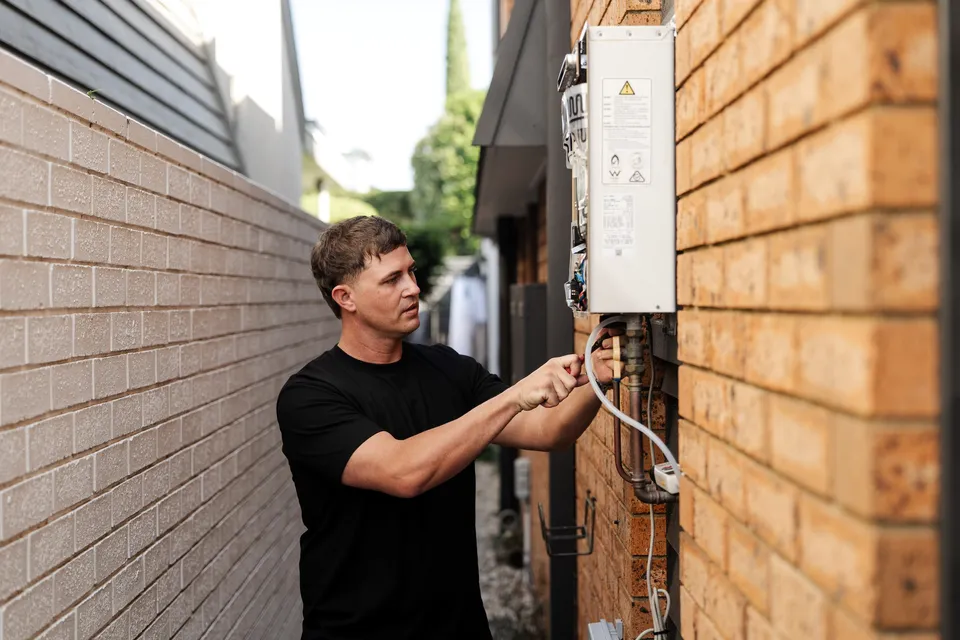
The leak test
Every new joint is leak-tested before the gasfitter leaves your home.
- 4

The certificate
You receive your gas compliance certificate straight after completion, confirming the work complies. File it with the house papers.
Plumbing job in Newport?
$0 call-out fees, available 24/7, and same-day where we can.

What Your Gas Supply Means for the Job
Before anything goes in, the gasfitter confirms the supply can handle the extra demand the appliance brings. The checks cover three things:
For LPG
how the cylinders are stored, and whether their vaporisation rate can feed the new appliance.
For a metered supply
the meter's capacity, plus the pipe sizing between it and the kitchen.
For both
whether the appliance matches the fuel in the home, or needs converting.
Most appliances leave the factory set for one fuel. A cooktop shifting between a home on mains gas and a home on bottles needs the maker's conversion parts fitted by a licensed gasfitter first, then a leak test on the result. On a metered supply, the licence holder also has to notify the gas network operator before a new gas system goes in, or before demand reaches 100 megajoules an hour.
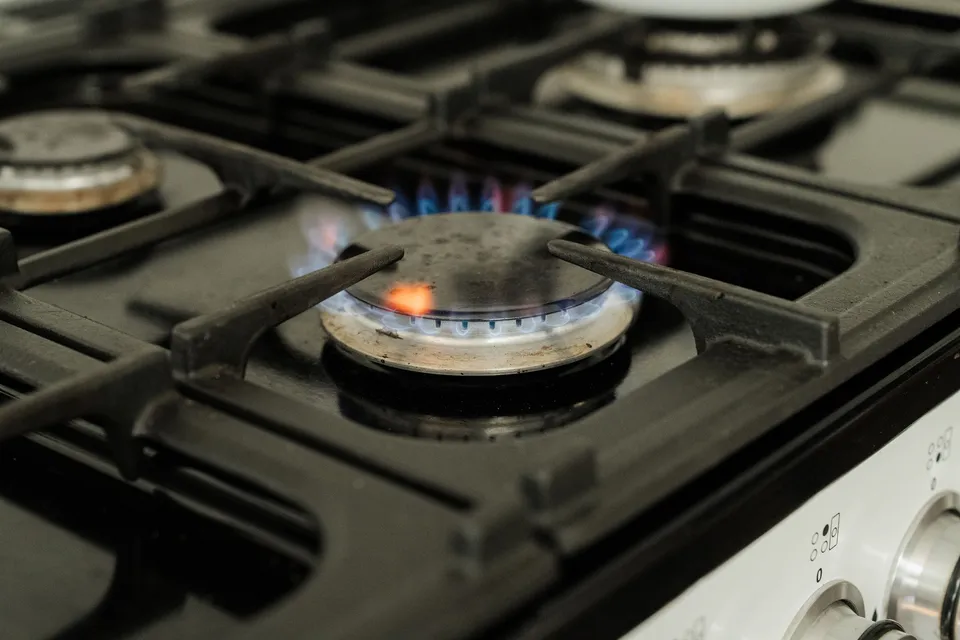
Safety Features to Look for When Buying
A safe appliance shows three features: an approval badge, a device that cuts the gas when the flame dies, and automatic relighting. Tick off the three before you pay.
The approval badge
A badge proving the appliance cleared the national testing scheme for gas devices.
The flame failure device
This shuts the gas off if a burner goes out, such as when a pot boils over.
Automatic relighting
The appliance fires the burner back up by itself instead of letting gas flow.
A Kitchen Built for the Way This Estate Cooks
The suburb grew fast: area-level figures put growth at 24.3 per cent over five years, and building approvals ran to 518 in 2021-22 alone. Many of those new kitchens in the western stage went in during volume building, and their gas points and fittings were installed to a price.
A cooktop swap in one of those homes is a good moment to have the whole connection checked, not just the new appliance bolted on. Older canal-side homes tell the opposite story. Salty air off the water works on metal fittings behind the bench as well as on anything outside, so the gasfitter inspects the existing connection rather than trusting it.
Planning a deck barbecue too? Our gas bayonet installation guide covers that.
How We Install Your Gas Appliance
- 1

Tell us what's happening
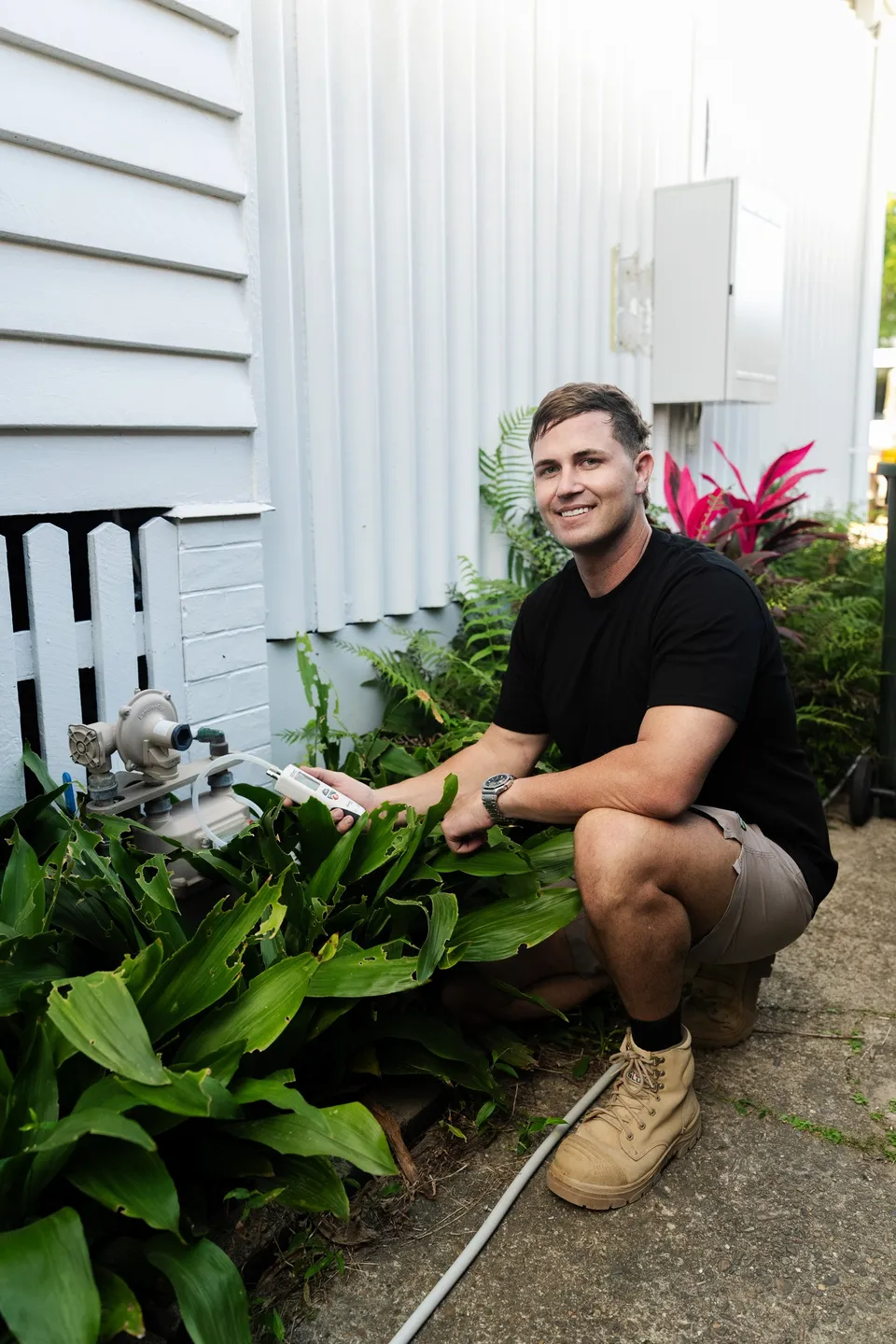
Call (07) 3524 0766 or send the form with a few details about the problem in Newport. A clear description helps us bring the right parts.
- 2

We check the supply, then connect
We confirm the gas point, the fuel type and the supply checks for your appliance, then connect it to the maker's instructions and test every joint before the cooktop gets used.
- 3
Approve a fixed price
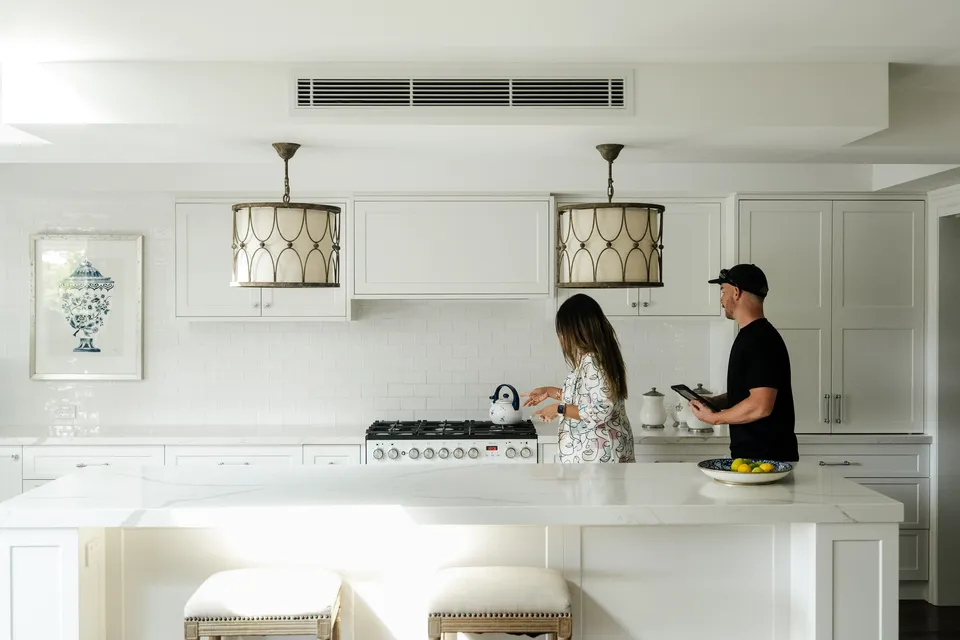
You get a fixed quote before any work starts, with flat-rate pricing and no hidden fees. Nothing goes ahead until you say yes.
- 4
Pay when it's finished
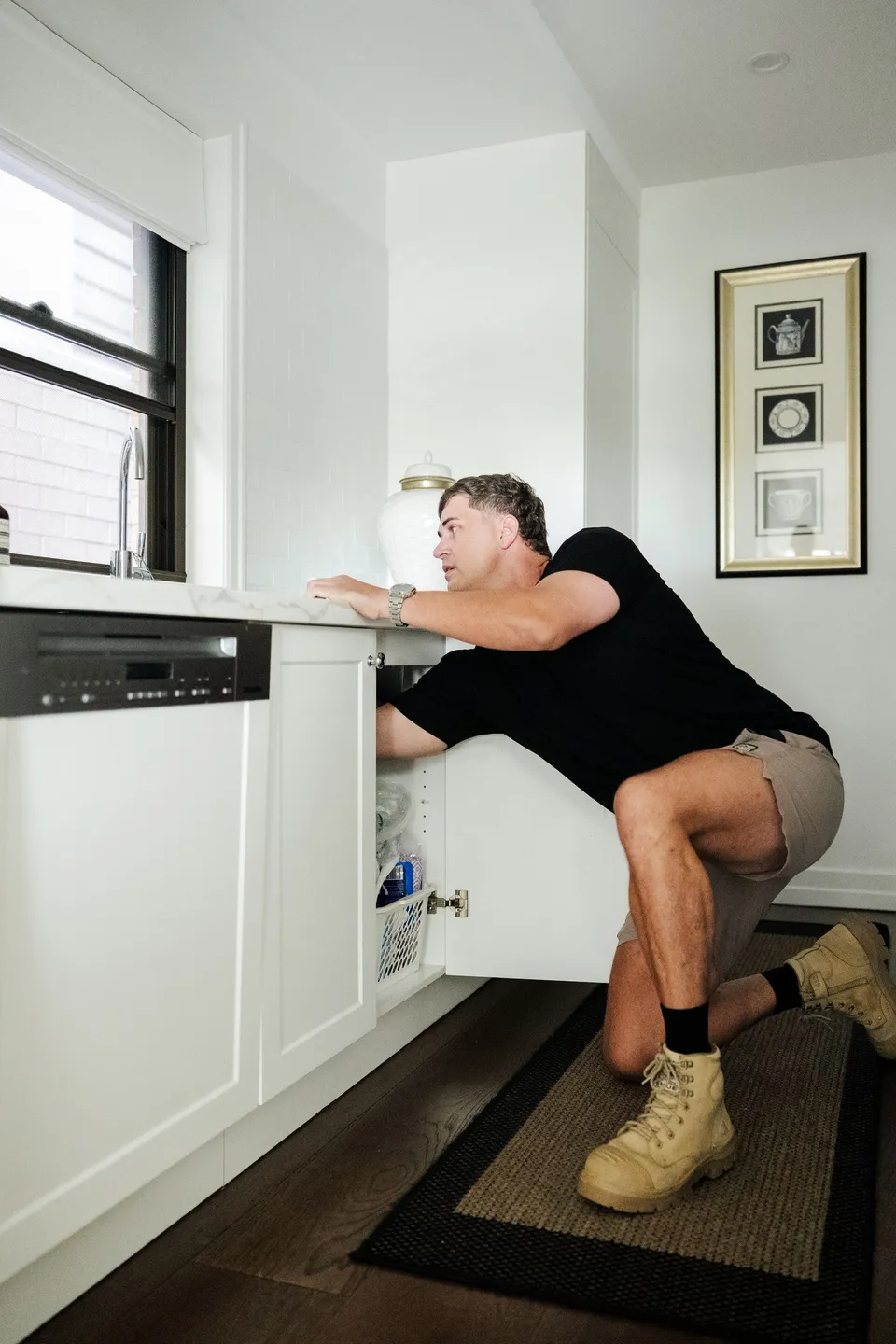
Pay by card or EFTPOS on site once the job's done, or ask about Fix now, pay later.
Gas Cooktop Questions Answered
Call (07) 3524 0766Who can legally install a gas cooktop in Newport?
Queensland law gives this job to a licensed gasfitter and nobody else. Installing a cooktop is gas work, which covers the pipework, the connection and the certification. Ask to sight the licence before the job begins.
Can a natural gas cooktop be changed over to LPG?
Yes, when the manufacturer makes conversion parts for that model. The changeover itself is gas work, so a licensed gasfitter fits the parts and leak-tests the result before you use the appliance.
What safety features should a new gas cooktop have?
Look for an approval badge, a flame failure device, and automatic relighting. The badge proves the appliance cleared the national testing scheme for gas devices. The flame failure device shuts the gas off if a burner goes out, and automatic relighting fires the burner back up on its own.
Does a gas cooktop need clearance from walls and the rangehood?
Yes, the manufacturer's installation instructions set the required gaps for your model, covering the rangehood, the cupboards and any surface that could burn. Your gasfitter follows those figures.
Can I move my gas cooktop to another spot in my Newport kitchen?
Yes, but relocating the connection changes the gas system, which makes it gas work for a licensed gasfitter. You receive a compliance certificate once the new connection is tested and signed off.

Call Us About Your New CooktopWe'll call you back.
Call (07) 3524 0766 to book a plumber in Newport. We're available 24/7, with $0 call-out fees, flat-rate pricing and same-day where we can.
To claim your $0 call-out fee, call (07) 3524 0766 today.